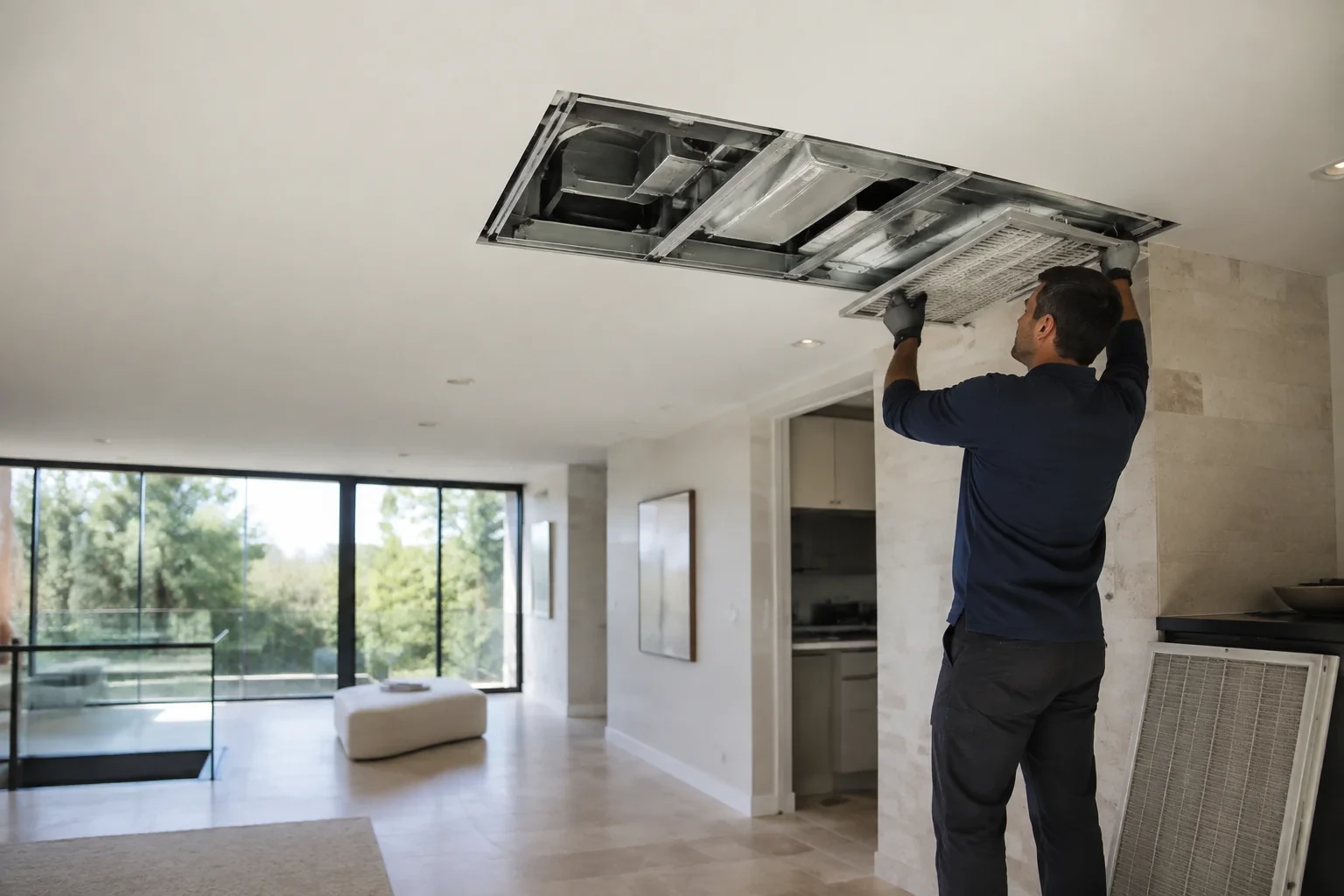
Air Duct Care
Understand the condition
Document accessible components before deciding on cleaning.
Explore the service ↗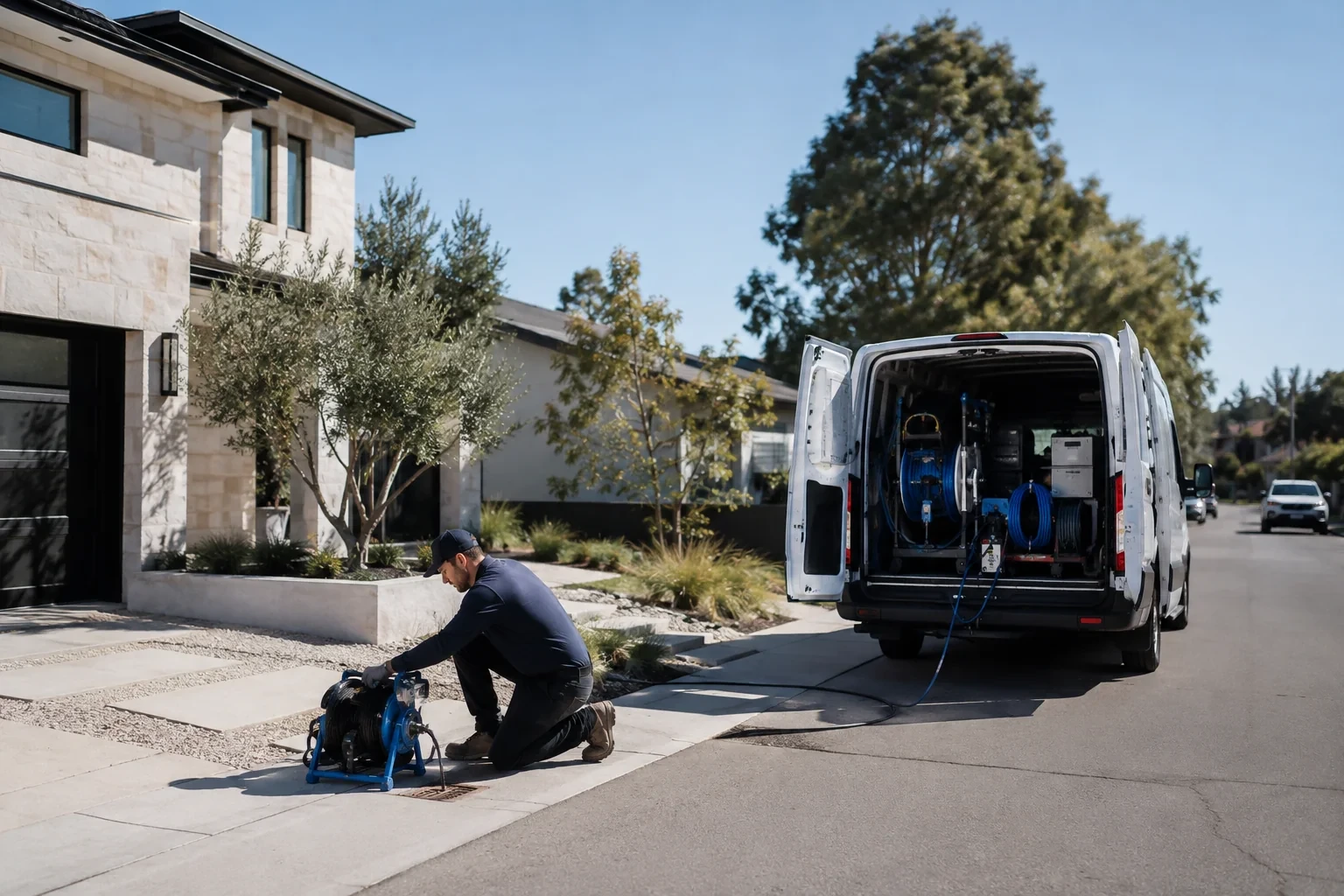
SaratogaAir Duct Care
Browse cleaning guides for ducts, registers, grilles and equipment housings. Compare the actual components included instead of relying on a single system label.
(669) 201-1251Air Duct Care
Document accessible components before deciding on cleaning.
Explore the service ↗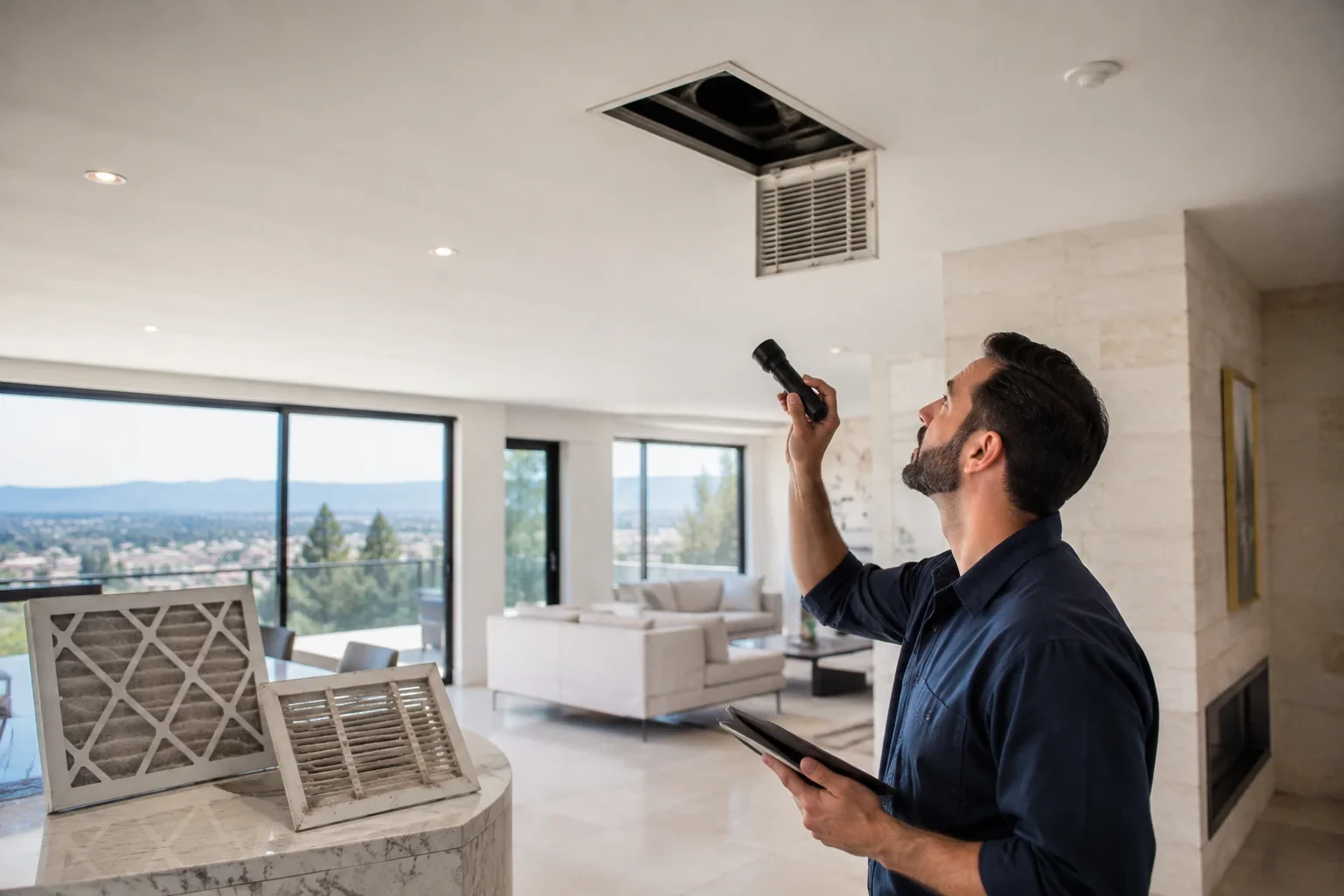
Air Duct Care
Explain where the work happened and what is now visible.
Explore the service ↗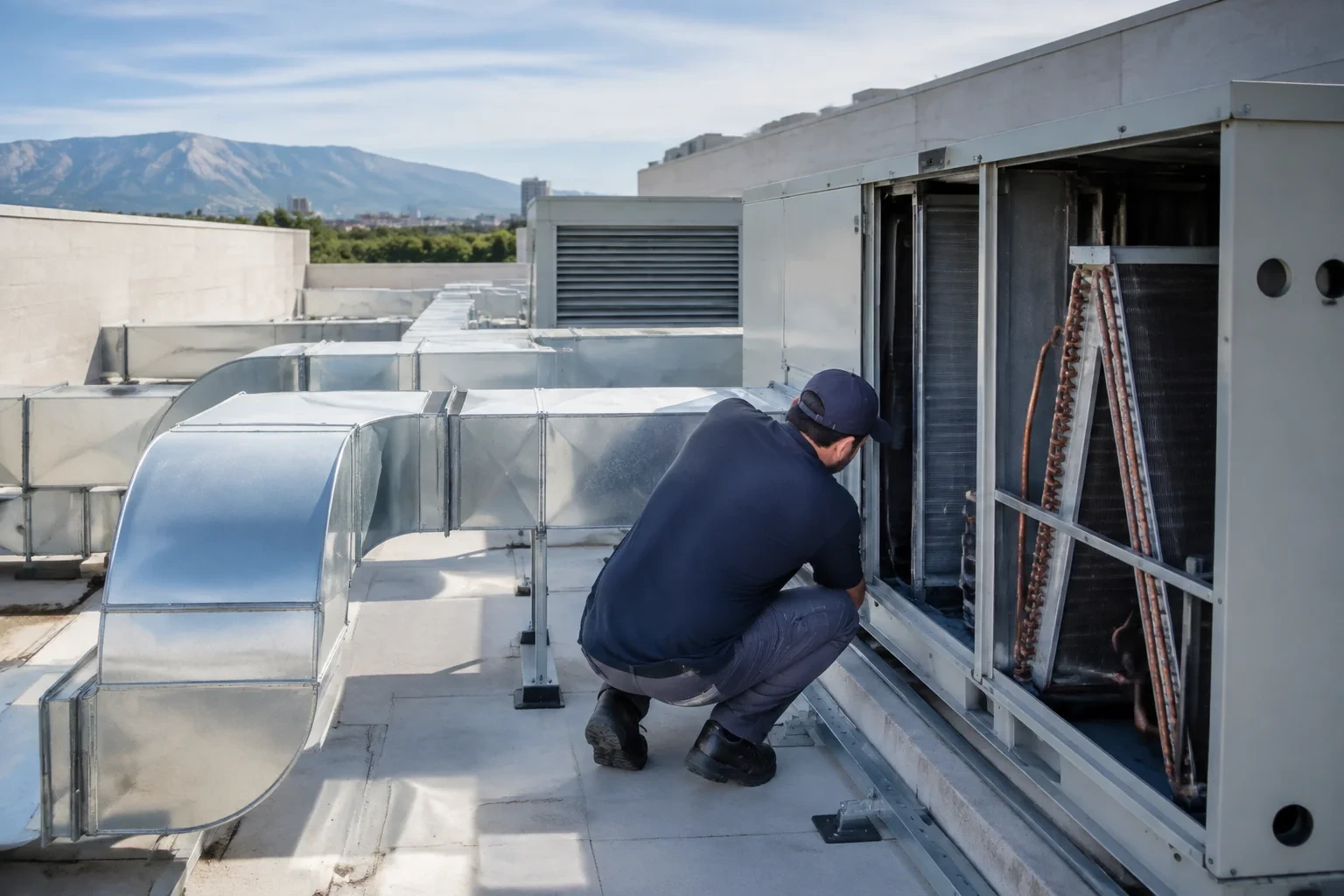
Air Duct Care
Check which system components and completion checks are included.
Explore the service ↗A closer look
Before the visit
Saratoga
Explore the services for your property and confirm your address when you call.
California’s energy code can require HERS field verification and diagnostic testing on heating and cooling work. The California Energy Commission says that, depending on the work being done, HERS testing may be mandatory, and that properly permitted work will trigger any necessary HERS testing. It adds that a contractor should be able to explain permitting requirements to the homeowner and that HERS testing should be part of that discussion, and that a rater should identify themselves with a photo badge. Ask early whether the proposed work is a duct or equipment alteration that needs a permit, because cleaning and replacement are not the same scope. Confirm the permit position with the City of Saratoga.
Source for planning your work ↗The US Environmental Protection Agency does not recommend that air ducts be cleaned routinely, but only as needed, and lists the conditions that would justify it: substantial visible mould inside hard-surface ducts or system components, ducts infested with vermin such as rodents or insects, and ducts clogged with excessive dust and debris that is released into the home. EPA also says no chemical biocides are currently registered for use in internally insulated air duct systems, and that sealants are not recommended for routine use. Ask to be shown the condition before agreeing to a scope. EPA guidance describes when cleaning may be appropriate; it is not a diagnosis of your system.
Source for local context ↗Area-wide context is not a finding about your own property.
Before you decide
A concern should start with an assessment of observed conditions. Visible debris, moisture, pests or another specific issue can justify a closer look, but a cleaning schedule alone does not establish that work is needed. Ask what was found and which parts of the system the proposal addresses.
Ask which supply and return sections, registers and accessible equipment are included, how access is obtained and how loosened debris is collected. Clarify exclusions, access limitations and any separate work on the air handler. A quote for vents alone may describe a different scope from a whole-system proposal.
An odor description helps prepare the visit but does not establish its source. Explain where and when you notice it and whether it changes with system operation. Ask how the assessment will distinguish duct conditions from other possible sources before agreeing to cleaning or treatment.
Request photographs or documented observations of the relevant accessible areas and a clear explanation of the proposed scope. Ask which findings were directly observed and which areas could not be accessed. Generic sample images are not evidence of your own system’s condition.
Identify the air-handler location, note the number of systems if known and explain any access restrictions. Keep access to registers and equipment clear. Gather previous work records and describe the particular concern so the visit can focus on useful observations.
Tell us about your system and we will call you back.